
We
are small (about 2,000 undergrads and 1,000 graduate students), but we seek to
compete with bigger, more prominent colleges and universities.
We
are urban, located in the heart of Worcester’s poorest neighborhood; a
marketing challenge to be sure.
We
place great weight on the liberal arts at a time when the study of liberal arts
is increasingly under fire as a waste of money in an economy where science and
technology skills are highly prized.
But to
President David Angel’s credit, even at a time when the financial seas are
choppy, he is positioning Clark to be a player on the higher-education
landscape. Under his direction, and following years of discussion and planning,
on February 29, 2012 — Leap Year Day — Clark launched a new education
initiative called LEEP (Liberal Education and Effective Practice). The event
included round-table “conversations” among students, faculty and administrators
to introduce the tenets of LEEP, and there was fun, too, including an
opportunity for participants to leap from a platform into a high-jump mat
(captured on camera). Even President Angel made the jump.

So
where do we stand eight months removed from the LEEP launch? How is LEEP
resonating in the groundswell, and, more importantly, are there things we can
be doing better moving forward?
In
the way Clark University imparts information, we must engage a diverse audience
constituting students, their parents, alumni, donors and the media. As such, we
routinely hit on a number of thematic cylinders: academic accomplishment,
return on investment, contributing to Clark, nostalgia, Clark in the news, etc.
 The
same goes for LEEP. The vast audience demographic needs to be fed. Last month I
was chatting with an alumnus from the class of 1975, and he said, “I don’t get
this LEEP thing. You guys need to do a better job of explaining it to people
like me.”
The
same goes for LEEP. The vast audience demographic needs to be fed. Last month I
was chatting with an alumnus from the class of 1975, and he said, “I don’t get
this LEEP thing. You guys need to do a better job of explaining it to people
like me.”
Clark’s
website has several pages devoted to LEEP that are a wealth of information, but
engagement isn’t strong.

The
analytics reveal that in the last month, our LEEP page has received 2,418
unique page views, a fairly robust number at a time of year when high school
seniors are exploring college options. More encouraging is the average time
spent on the page — two minutes and nine seconds, a relatively healthy span
that suggests the page is a destination and is at least being scanned rather than
clicked away from.

The
second most page views, 399, are for the LEEP Scholarships page, where students
and parents can learn about full scholarships being offered under the aegis of
LEEP. The popularity of this page suggests that monetary considerations are of
high importance to families, and using SEO strategies (pairing “LEEP” “Clark”
and “scholarships” in stories, for instance) will increase traffic.
Other
sub-pages are less visited: 40 page views for the LEEP Center, for instance
(the center is housed in an existing building, but plans are in the works for a
new structure to be built), and 132 views for the LEEP Pioneers, who are the 46
students who completed an array of summer internships and projects that put the
LEEP theories to the test. These students have also begun VIDEO blogging (120
page views, and an impressive 3:57 spent on the page), but the comments are
sparse and generally along the lines of “Good job!” (perhaps written by
parents?).
LEEP
does have a Facebook page, but activity on it has slowed to a crawl— it's rarely posted to and sports only 139 total Likes.
It
gets worse.
Since
the page’s launch in mid-February — 33 posts in all — it has generated a grand
total of zero comments by anyone other than Clark Communications and Marketing employees

The number of engaged users rarely breaks double digits. The instances when that number exceeded 100 coincide with significant events such as coverage of the LEEP Day launch (170) and a post about the LEEP “conversations” between administrators and students (158). But since early March, without an event-driven LEEP calendar, engagement has essentially flatlined.

On Social Mention, LEEP registers 0% strength and 1:1 in Sentiment, hardly a public mandate. There is no dedicated Twitter account. Ugh.
The
LEEP videos on the Clark YouTube page have earned respectable viewership. A
survey of 10 videos reveals the number of views as high 690 for a video in
which students discuss their First-Year Intensives (an attractive topic for
incoming students) to as low as 12 for a video about a student who interned as
a script reader in the Comedy Department at CBS in Los Angeles. But here’s the
rub: both videos received zero likes and dislikes, and no comments. As I
mentioned in the first portion of my monitoring project, we have created an
impressive stable of videos that are being viewed passively. Engagement has
become a mountain we have yet to scale.
Clark
knows the story it should be telling about LEEP, and the university has done a
terrific job of marketing the initiative in a variety of ways, including
through traditional media an on its web sites. But as I review years of files
about how best to promote LEEP, I realize we have to develop a clearer social-media strategy, which leads me to these recommendations:
* Increasingly, we have to fashion our social media presence for
mobile users. This has been a struggle for the web team, which sees the need
but has been unable to convince the decision makers to make it a priority. But
as I noted in the first portion of this project, 60 percent of viewership on
the Clark YouTube page comes from mobile apps. That will only increase. The
mobile tsunami reached land a long time ago.
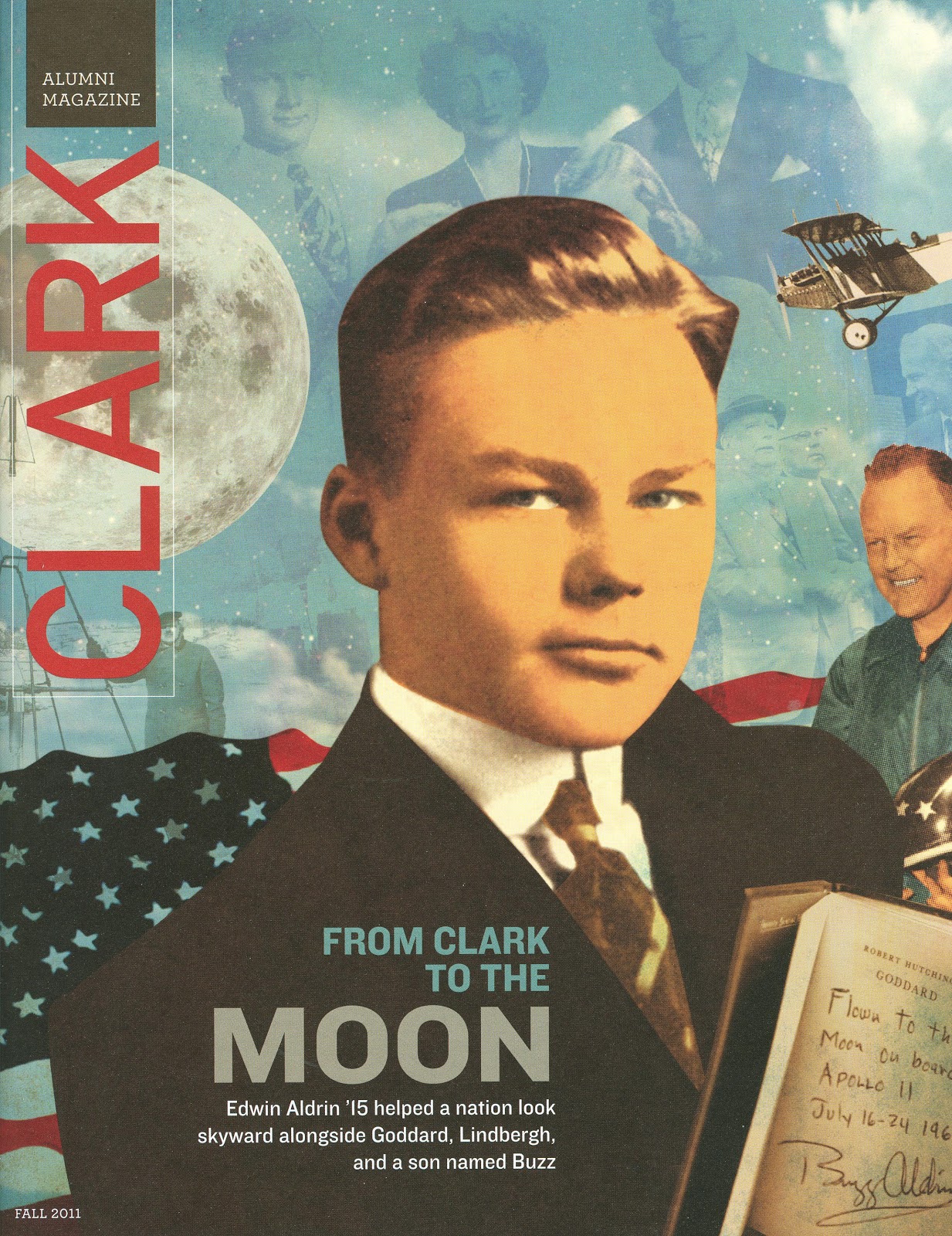 * We must cultivate more alumni buy-in to LEEP. The comment from the
Class of ’75 alum is disconcerting. A major piece of LEEP involves alumni both
as mentors and as providers of internships and, hopefully, jobs to Clark
students. A LEEP-themed issue of the alumni magazine to introduce and explain
the concept is under consideration. Even if it seems counterintuitive to use
traditional media, we would direct readers of the printed page to social media
channels to further the LEEP conversation.
* We must cultivate more alumni buy-in to LEEP. The comment from the
Class of ’75 alum is disconcerting. A major piece of LEEP involves alumni both
as mentors and as providers of internships and, hopefully, jobs to Clark
students. A LEEP-themed issue of the alumni magazine to introduce and explain
the concept is under consideration. Even if it seems counterintuitive to use
traditional media, we would direct readers of the printed page to social media
channels to further the LEEP conversation. * Think viral. Yes, our videos, blogs and tweets are in service to the institution — but they don’t always have to be so institutional. We could be a little less safe. Our LEEP videos are well-made and informative, but according to the analytics they aren’t fostering much engagement. Recruiting more student filmmakers could help.
* While LEEP is geared for students, the other truly crucial audience is parents. There is no one on earth who wants to see a college student succeed more than his or her parents, so we must not neglect to market the promise of LEEP to these key stakeholders. Once LEEP is established over time, getting some grateful parents of gainfully employed graduates in front of the camera would be a wise move.
* Tweet more. Make our Twitter feed a “destination.” Of course, let’s start by creating a LEEP-dedicated Twitter account.

·
* Each weekly editorial meeting, which I lead, will now have a social-media component, and regular updates about LEEP marketing strategies, including social-media presence.
* Each weekly editorial meeting, which I lead, will now have a social-media component, and regular updates about LEEP marketing strategies, including social-media presence.
It’s important to remember that LEEP is still a very young
initiative — the Class of 2015 is the first to have any real exposure to it —
so the relative lack of social-media presence is understandable. As the LEEP
model gains traction, we can plan and execute the appropriate courses of action
so that it will break through in the groundswell.


